
DIY Painting Mistakes to Avoid (And How to Get a Professional Finish)
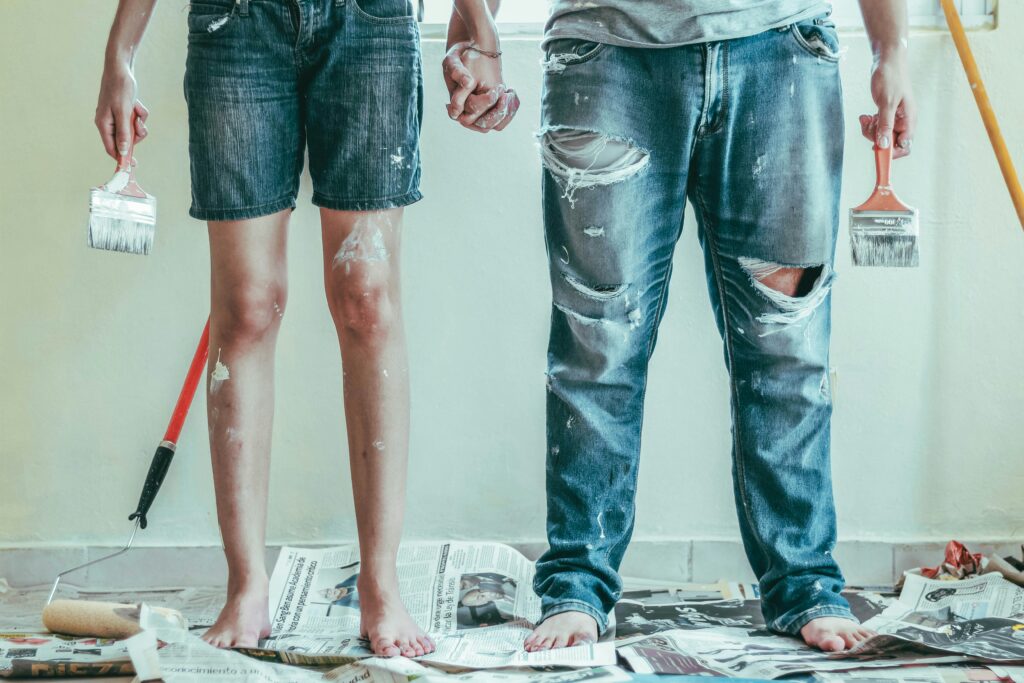
A fresh coat of paint can transform a home, but only when the job is done properly. Many homeowners try the DIY route and quickly realize their walls don’t look as smooth or professional as they hoped. Streaks, uneven edges, and colour surprises are all very common.
Here are some of the most common DIY painting mistakes to watch out for, along with simple ways to get a cleaner, more professional-looking finish.
1. Skipping Surface Prep
A lot of people rush into painting without preparing the walls. Dust, grease, nail holes, and old paint can all cause problems later.
What to do instead:
Clean the walls
Sand shiny or uneven spots
Patch holes and dents
Use primer when needed
Prep work usually takes longer than the painting itself, but it has the biggest impact on the final result.
2. Using Cheap Paint or the Wrong Tools
Low-quality paint might look like a good deal, but it often takes more coats, leaves streaks, and doesn’t hold up well over time. The same goes for rollers and brushes.
What to do instead:
Stick to trusted paint brands
Use the right roller thickness for your wall
Use decent brushes for trimming and edges
Good tools make the job easier and the results much cleaner.
3. Not Testing the Colour First
Paint can look completely different once it’s on the wall. Lighting and wall texture can change how a colour appears.
What to do instead:
Test small patches on different walls
Check how it looks during the day and at night
Look at it from different parts of the room
Testing a sample first can save you from repainting an entire room.
4. Overloading the Roller
A common beginner mistake is loading the roller with too much paint. This causes drips, roller lines, and uneven coverage.
What to do instead:
Dip the roller lightly
Roll off extra paint in the tray
Use long, steady strokes
Thin, even layers look much more professional.
5. Rushing the Job
Painting too fast often leads to missed spots, uneven edges, and visible roller marks.
What to do instead:
Paint in small sections
Keep a “wet edge” so the paint blends smoothly
Let the first coat dry completely before adding the second
Taking your time almost always leads to a better result.
6. Not Protecting Floors and Trim
Paint splatter happens even if you are careful. Skipping basic protection can leave stains on floors and trim.
What to do instead:
Use drop cloths
Tape around windows and trim
Remove outlet covers
A few minutes of prep saves a lot of cleanup.
DIY vs Hiring a Professional: When Should You Call Someone In?
Painting is a project many homeowners can handle, but there are situations where hiring a professional makes more sense.
DIY works well for:
Small bedrooms
Accent walls
Already smooth surfaces
Tight budgets
Hiring a professional is better for:
Larger or multi-room projects
High ceilings
Exterior painting
Heavily damaged or textured walls
Anyone who wants a flawless finish without the stress
Professional painters have the tools, experience, and techniques to deliver results that last. They also save homeowners hours (sometimes days) of work.
Final Thoughts
DIY painting can be satisfying, but small mistakes can affect how the final result looks. With the right preparation and tools, you can get a much cleaner finish. If you want guaranteed results, a professional painter is always a safe choice.
If you are thinking about hiring a pro, our directory makes it simple to find dependable painting companies in your area.